
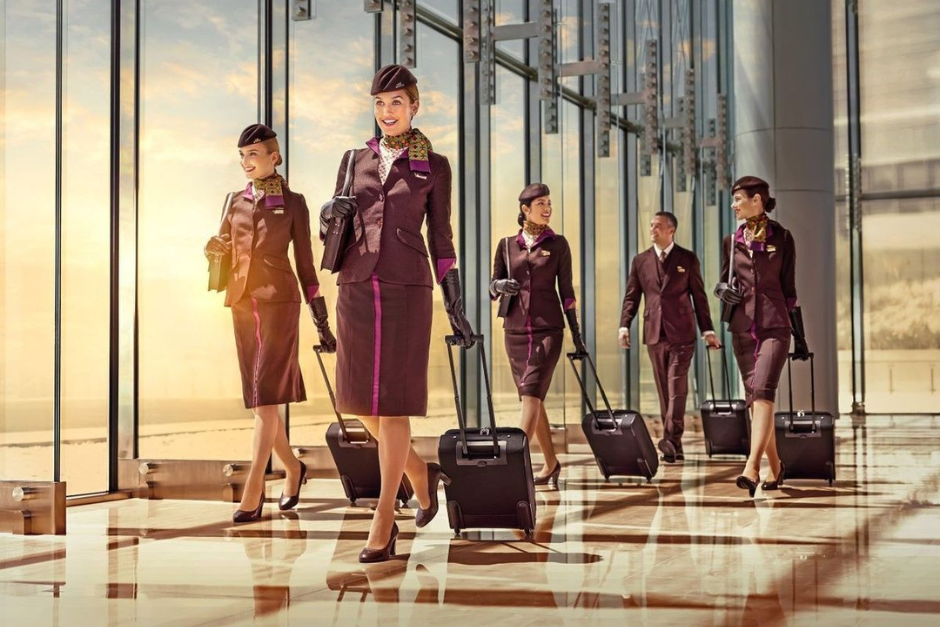
The aviation industry is one of the most exciting and rewarding career fields in the world. Every year, thousands of aspiring professionals apply for cabin crew jobs with domestic and international airlines. While educational qualifications and professional training are important, the key to long-term success lies in developing the right skills.
A cabin crew member is much more than someone who serves food and beverages during a flight. They are trained aviation professionals responsible for ensuring passenger safety, delivering exceptional customer service, handling emergencies, and representing the airline with professionalism.
If you’re planning to build a career in aviation, understanding the skills required to become a successful cabin crew member is the first step toward achieving your dream. This guide explains the essential technical and soft skills airlines look for and how you can develop them to succeed in the competitive aviation industry.
Why Skills Matter in a Cabin Crew Career
Airlines recruit candidates who can confidently handle passengers, work under pressure, and maintain high service standards. While qualifications may help you qualify for interviews, your skills determine whether you get selected and how quickly you grow in your career.
Strong skills help cabin crew professionals:
- Deliver excellent customer service
- Build passenger trust
- Handle emergency situations effectively
- Work efficiently with colleagues
- Represent the airline professionally
- Advance into senior positions
Developing these abilities makes you a valuable asset to any airline.
Top Skills Required to Become a Successful Cabin Crew Member
1. Excellent Communication Skills
Communication is one of the most important skills every cabin crew member must possess.
Cabin crew interact with passengers from different countries, cultures, and backgrounds. They must communicate instructions clearly while maintaining a polite and friendly tone.
Good communication includes:
- Speaking confidently
- Active listening
- Clear pronunciation
- Professional conversation
- Positive body language
Strong English communication is essential, while knowledge of additional languages is an added advantage.
2. Customer Service Skills
Passenger satisfaction is a key responsibility of cabin crew members.
Excellent customer service involves:
- Greeting passengers warmly
- Responding politely to requests
- Solving problems professionally
- Remaining patient during stressful situations
- Creating a positive travel experience
Airlines value candidates who genuinely enjoy helping people.
3. Confidence
Confidence plays a significant role during both airline interviews and daily operations.
Confident cabin crew members can:
- Address passengers clearly
- Handle unexpected situations
- Work independently
- Communicate effectively with the flight crew
- Maintain professionalism under pressure
Confidence grows through training, preparation, and practical experience.
4. Teamwork
Every flight requires close coordination between pilots, cabin crew, and ground staff.
Successful cabin crew members:
- Support colleagues
- Share responsibilities
- Communicate effectively
- Respect team members
- Work toward common goals
Strong teamwork ensures safe and efficient flight operations.
5. Problem-Solving Skills
Unexpected situations can arise at any time during a flight.
Examples include:
- Passenger complaints
- Seating issues
- Medical emergencies
- Flight delays
- Lost baggage connections
Cabin crew members must stay calm, think logically, and resolve problems efficiently while following airline procedures.
6. Adaptability and Flexibility
The aviation industry operates around the clock. Flight schedules, destinations, and passenger requirements can change frequently.
Successful cabin crew members are adaptable and willing to:
- Work rotating shifts
- Handle schedule changes
- Travel frequently
- Work weekends and holidays
- Adjust to different cultures and environments
Flexibility is a valuable quality in aviation.
7. Professional Grooming
Appearance is an important aspect of the cabin crew profession because crew members represent the airline’s image.
Professional grooming includes:
- Neat hairstyle
- Proper uniform presentation
- Personal hygiene
- Minimal accessories
- Professional posture
- Friendly smile
Recruiters pay close attention to grooming during interviews.
8. Time Management
Flights operate according to strict schedules.
Cabin crew members must complete various tasks efficiently, including:
- Passenger boarding
- Safety checks
- Meal service
- Cabin inspections
- Flight documentation
Good time management helps maintain punctuality and operational efficiency.
9. Emotional Intelligence
Passengers may experience stress, anxiety, or frustration while travelling.
Cabin crew members should:
- Show empathy
- Remain patient
- Control emotions
- Understand passenger concerns
- Build positive relationships
Emotional intelligence helps create a pleasant travel experience.
10. Leadership Skills
Leadership is valuable even for entry-level cabin crew members.
Leadership involves:
- Taking initiative
- Supporting colleagues
- Making responsible decisions
- Managing emergencies
- Guiding passengers confidently
As experience increases, leadership skills become essential for promotions into senior cabin crew positions.
Additional Skills That Airlines Value
Apart from the core skills mentioned above, recruiters also appreciate candidates who possess:
- Basic first aid knowledge
- Computer literacy
- Cultural awareness
- Attention to detail
- Positive attitude
- Decision-making ability
- Professional ethics
- Stress management
- Conflict resolution
- Willingness to learn
Continuous skill development improves long-term career success.
How to Develop Cabin Crew Skills
Building these skills requires consistent practice and professional guidance.
Here are some effective ways to improve:
- Practice English speaking every day.
- Participate in public speaking activities.
- Improve your customer service skills through real-life interactions.
- Attend personality development sessions.
- Learn about aviation safety procedures.
- Practice mock interviews.
- Read about airline operations.
- Stay physically fit and maintain professional grooming.
Professional aviation training provides structured learning that accelerates skill development.
Common Mistakes to Avoid
Many aspiring cabin crew members focus only on appearance and overlook essential professional skills.
Avoid these mistakes:
- Poor communication
- Lack of confidence
- Weak interview preparation
- Negative body language
- Inadequate customer service skills
- Ignoring grooming standards
- Poor teamwork
- Lack of industry knowledge
Preparing in advance helps you avoid these common errors.
Why Professional Cabin Crew Training Is Important
Professional training helps candidates become airline-ready by developing both technical knowledge and soft skills.
Training programs typically include:
- Cabin Crew Operations
- Customer Service
- Grooming & Etiquette
- Aviation Safety
- Emergency Procedures
- Personality Development
- Communication Skills
- Interview Preparation
- Mock Interviews
- Practical Aviation Knowledge
These programs significantly improve confidence and employability.
Why Choose Skyworld Aviation Academy?
If you’re serious about building a successful career in aviation, choosing the right training institute is essential.
Skyworld Aviation Academy offers industry-oriented training designed to prepare students for careers as Cabin Crew, Flight Attendants, and Airport Ground Staff.
Students receive training in:
- Cabin Crew Operations
- Communication Skills
- Personality Development
- Grooming Standards
- Customer Service Excellence
- Aviation Fundamentals
- Interview Preparation
- Practical Learning
- Soft Skills Development
- Placement Assistance
With experienced trainers, modern teaching methods, and practical learning opportunities, Skyworld Aviation Academy equips students with the confidence and skills required by today’s aviation industry.
Frequently Asked Questions
Which skill is most important for cabin crew?
Communication skills and customer service are among the most important skills airlines look for during recruitment.
Can I become a cabin crew member after the 12th?
Yes. Most airlines allow candidates who have completed Class 12 to apply for cabin crew positions.
Is English compulsory?
Yes. Good spoken English is essential for communicating with passengers and crew members.
Do airlines provide skill training?
Yes. Airlines provide job-specific training after selection, but professional aviation courses help candidates prepare before recruitment.
Can these skills improve interview performance?
Absolutely. Strong communication, confidence, grooming, and customer service skills significantly improve your chances of clearing airline interviews.
Conclusion
Developing the skills required to become a successful cabin crew member is just as important as meeting the educational qualifications. Airlines seek professionals who can communicate effectively, provide outstanding customer service, work as part of a team, solve problems under pressure, and maintain the highest standards of professionalism.
Whether you’re a student planning your future or preparing for your first cabin crew interview, investing time in developing these essential skills will set you apart from other candidates. With expert guidance, practical training, and continuous self-improvement, you can build a rewarding career in the aviation industry.
Skyworld Aviation Academy is committed to helping aspiring aviation professionals achieve their dreams through comprehensive training, personality development, interview preparation, and industry-focused learning. If you’re ready to begin your journey, now is the perfect time to take the first step toward a successful cabin crew career.
Ready to Take Off Towards Your Dream Aviation Career?
Turn your passion into a successful profession with Skyworld Aviation Academy
For more information visit: